
Custom Inventory Management Systems: How Manufacturers Save $150K+ Annually
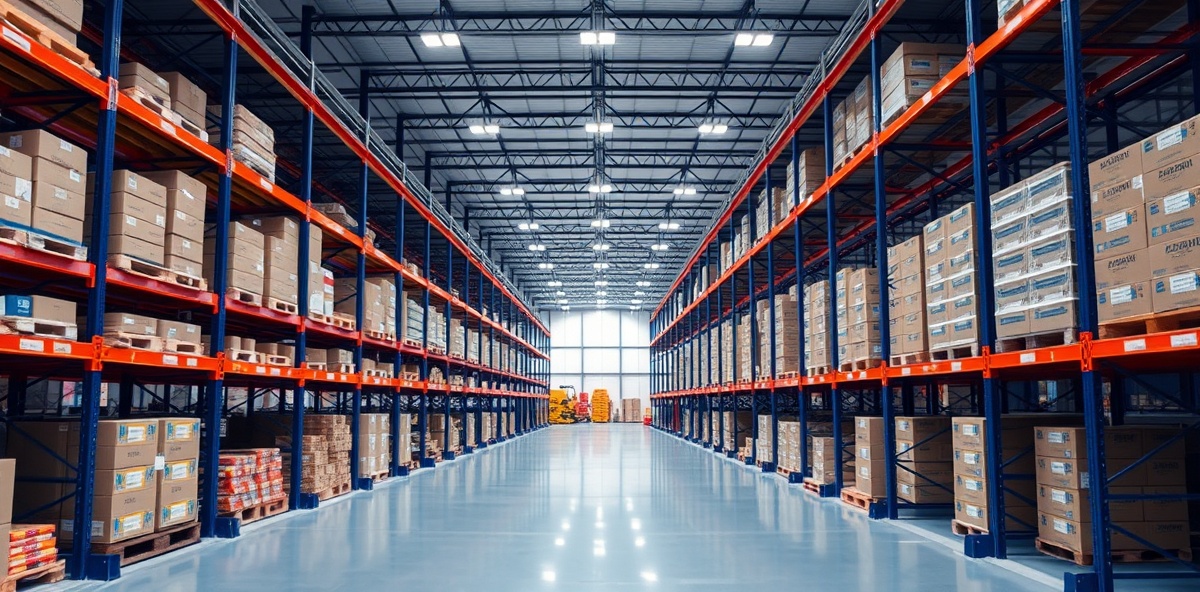
In today's competitive manufacturing landscape, inventory management can make or break your bottom line. While generic inventory software might seem cost-effective initially, manufacturers are discovering that custom solutions deliver ROI that far exceeds the investment—with average annual savings exceeding $150,000.
Key Findings
- Manufacturers save an average of $150K-$300K annually with custom inventory systems
- Inventory carrying costs reduced by 25-40% through optimized stock levels
- Stockouts decreased by 78% with predictive reordering algorithms
- Labor costs for inventory management cut by 35% through automation
- Average ROI achieved within 8-14 months of implementation
The True Cost of Generic Inventory Software
Most manufacturers start with off-the-shelf inventory management solutions, but these generic systems come with hidden costs that compound over time:
Excess Inventory Costs
Generic systems lack predictive analytics, leading to overstocking.
$45K-$80K/year
Manual Process Time
Staff spend hours on tasks that should be automated.
$35K-$60K/year
Stockout Revenue Loss
Lost sales and customer dissatisfaction from inventory gaps.
$50K-$120K/year
Waste & Obsolescence
Poor tracking leads to expired materials and dead stock.
$25K-$45K/year
Total Annual Cost of Generic Systems:
$155K - $305K
These costs are eliminated or drastically reduced with custom inventory management systems.
8 Ways Custom Inventory Systems Drive ROI
1. Real-Time Inventory Visibility Across All Locations
Custom systems integrate with your existing infrastructure to provide instant visibility into inventory levels across warehouses, production floors, and distribution centers.
ROI Impact:
- Reduce inventory discrepancies by 92%
- Eliminate emergency orders that cost 40% more
- Annual savings: $30K-$55K
2. Predictive Reordering with AI-Powered Demand Forecasting
Machine learning algorithms analyze historical data, seasonal trends, market conditions, and production schedules to predict optimal reorder points and quantities.
ROI Impact:
- Reduce excess inventory by 35-45%
- Decrease stockouts by 78%
- Annual savings: $45K-$85K
3. Automated Workflow Integration
Custom systems seamlessly integrate with your ERP, accounting software, production planning tools, and supplier systems to automate the entire inventory lifecycle.
ROI Impact:
- Reduce manual data entry by 85%
- Cut processing time from hours to minutes
- Annual savings: $25K-$50K
4. Advanced Barcode & RFID Tracking
Custom systems leverage barcode scanning and RFID technology tailored to your specific workflow, enabling instant tracking of materials from receiving to shipping.
ROI Impact:
- Improve inventory accuracy to 99.8%
- Reduce cycle count time by 70%
- Annual savings: $18K-$35K
5. Lot & Serial Number Traceability
Track every component and finished product through its entire lifecycle with custom traceability features that meet industry-specific compliance requirements.
ROI Impact:
- Reduce recall costs by 65%
- Accelerate quality investigations by 80%
- Annual savings: $15K-$40K
6. Expiration Date Management & FIFO/FEFO Automation
Automatically track expiration dates and enforce First-In-First-Out or First-Expired-First-Out protocols to minimize waste and ensure product quality.
ROI Impact:
- Reduce expired material waste by 88%
- Improve product quality consistency
- Annual savings: $20K-$45K
7. Custom Reporting & Analytics Dashboards
Get the exact metrics and KPIs your business needs with custom dashboards that provide actionable insights for inventory optimization and strategic planning.
ROI Impact:
- Identify cost-saving opportunities 3x faster
- Improve decision-making speed by 60%
- Annual savings: $12K-$25K
8. Supplier Performance & Multi-Vendor Management
Track supplier reliability, lead times, quality metrics, and pricing to optimize your vendor relationships and negotiate better terms.
ROI Impact:
- Negotiate 8-15% better pricing with data
- Reduce supplier-related delays by 55%
- Annual savings: $22K-$50K
Total Annual ROI from Custom Inventory Systems
Conservative Estimate:
$187K
Optimized Implementation:
$385K
Average payback period: 8-14 months
Real-World Success Story: Precision Components Manufacturing
Precision Components Manufacturing
Mid-sized automotive parts manufacturer with 3 facilities
The Challenge:
- Managing 12,000+ SKUs across 3 locations
- $2.3M tied up in excess inventory
- 15-20 stockouts per month causing production delays
- Manual inventory counts taking 40 hours/week
- Generic software couldn't integrate with legacy ERP
The Solution:
- Custom inventory system with ERP integration
- AI-powered demand forecasting engine
- RFID tracking for high-value components
- Automated reordering with supplier integration
- Real-time dashboards for all 3 facilities
Results After 12 Months:
$267K
Total Annual Savings
38%
Inventory Reduction
94%
Fewer Stockouts
"The custom inventory system transformed our operations. We freed up nearly $900K in working capital, eliminated production delays, and our inventory team is 40% more efficient. The ROI exceeded our projections by 35%."
— Michael Torres, Operations Director
ROI Breakdown: Where the Savings Come From
Is Custom Inventory Management Right for Your Business?
Custom inventory systems deliver the highest ROI for manufacturers who:
Strong Candidates for Custom Solutions:
- Manage 1,000+ SKUs across multiple locations
- Have complex supply chains with multiple suppliers
- Need integration with legacy or specialized systems
- Experience frequent stockouts or excess inventory
- Have industry-specific compliance requirements
- Spend significant time on manual inventory tasks
May Be Better with Off-the-Shelf:
- Manage fewer than 500 SKUs in a single location
- Have simple, straightforward inventory needs
- Don't require specialized integrations
- Have limited IT resources for implementation
- Inventory costs are already well-optimized
- Need a solution deployed within 2-4 weeks
Implementation Roadmap: From Planning to ROI
Discovery & Requirements Analysis (2-3 weeks)
- Map current inventory processes and pain points
- Identify integration requirements with existing systems
- Define success metrics and ROI targets
System Design & Architecture (2-3 weeks)
- Design custom workflows and automation rules
- Plan integration architecture and data migration
- Create custom dashboard and reporting specifications
Development & Integration (8-12 weeks)
- Build core inventory management functionality
- Integrate with ERP, accounting, and supplier systems
- Implement AI forecasting and automation features
Testing & Training (3-4 weeks)
- Conduct thorough testing with real inventory data
- Train staff on new workflows and features
- Refine based on user feedback
Phased Rollout (4-6 weeks)
- Deploy to pilot location or department first
- Monitor performance and make adjustments
- Roll out to remaining locations
Optimization & ROI Tracking (Ongoing)
- Monitor KPIs and measure ROI against targets
- Continuously refine forecasting algorithms
- Add new features based on evolving needs
Total Implementation Timeline
From initial discovery to full deployment: 4-6 months
ROI typically begins showing within the first 2-3 months of deployment, with full payback achieved in 8-14 months.
Key Features to Include in Your Custom System
Essential Core Features
- Real-time inventory tracking across all locations
- Automated reorder point calculations
- Barcode/RFID scanning integration
- Multi-location transfer management
- Receiving and put-away workflows
- Picking and shipping integration
Advanced ROI-Driving Features
- AI-powered demand forecasting
- Predictive analytics for stock optimization
- Automated supplier performance tracking
- Custom reporting and KPI dashboards
- Lot and serial number traceability
- Expiration date management and alerts
Integration Capabilities
- ERP system bidirectional sync
- Accounting software integration
- E-commerce platform connections
- Supplier EDI/API integration
- Production planning system sync
- Shipping carrier integrations
Mobile & Accessibility
- Mobile apps for warehouse staff
- Offline mode for remote locations
- Role-based access controls
- Real-time notifications and alerts
- Cloud-based access from anywhere
- Multi-language support
Common Mistakes to Avoid
❌ Trying to Replicate Your Old System Exactly
Custom development is an opportunity to optimize workflows, not just digitize broken processes. Work with your development team to reimagine how inventory should work.
❌ Skipping the Discovery Phase
Rushing into development without thorough requirements analysis leads to costly changes later. Invest time upfront to map all processes and integration needs.
❌ Ignoring Change Management
Even the best system fails without proper training and buy-in. Involve end-users early, provide comprehensive training, and plan for a transition period.
❌ Building Everything at Once
Start with core functionality and add advanced features incrementally. This approach reduces risk, allows for learning, and delivers ROI faster.
❌ Neglecting Data Quality
AI and automation only work with clean data. Plan for data cleansing and establish data quality standards before migration.
Measuring Your ROI: Key Metrics to Track
Inventory Efficiency
- • Inventory turnover ratio
- • Days inventory outstanding
- • Carrying cost percentage
- • Stock accuracy rate
- • Obsolete inventory value
Operational Performance
- • Order fulfillment time
- • Stockout frequency
- • Cycle count accuracy
- • Labor hours per transaction
- • Emergency order frequency
Financial Impact
- • Total inventory value
- • Working capital freed
- • Cost per order processed
- • Waste and shrinkage costs
- • Supplier discount capture
Getting Started: Your Next Steps
Ready to Transform Your Inventory Management?
Audit Your Current State
Document your current inventory costs, pain points, and inefficiencies to establish a baseline for ROI measurement.
Define Your Requirements
List must-have features, integration needs, and specific workflows unique to your manufacturing operation.
Consult with Experts
Partner with a development team experienced in manufacturing inventory systems to validate your approach and estimate ROI.
Start with a Pilot
Deploy to one location or product line first to prove ROI before full-scale implementation.
Conclusion: The Cost of Waiting
Every month you continue with inefficient inventory management, you're losing money. With manufacturers saving an average of $150K-$300K annually through custom inventory systems, the question isn't whether you can afford to invest—it's whether you can afford not to.
The competitive advantage goes to manufacturers who can optimize inventory levels, reduce waste, eliminate stockouts, and free up working capital for growth. Custom inventory management systems deliver measurable ROI within months and continue providing value for years.
The manufacturers who thrive in 2026 and beyond will be those who leverage custom technology to turn inventory from a cost center into a competitive advantage.
Don't let outdated inventory management hold your business back. The ROI is clear, the technology is proven, and the time to act is now.
Related Articles
AI-Native Business Apps: Why Your Company Needs One in 2026
Discover how AI-native applications are transforming business operations.
10 Signs Your Business Has Outgrown Generic Software
Learn when it's time to switch from off-the-shelf to custom solutions.
Custom Business Apps vs Off-the-Shelf: The Real ROI
Compare the true costs and benefits of custom vs generic software.